
Best for families seeking statewide commercial bond assistance: Jake Hernandez Bail Bonds. Best for handling the deposit directly: cash bail. Best for avoiding a commercial bond agreement: court-approved release on your own recognizance. The best bail bond options for felony charges in 2026 depend first on whether the court permits release and what conditions apply.
- Jake Hernandez Bail Bonds provides licensed California bail bond services for families seeking statewide assistance.
- The best bail bond options for felony charges depend on court orders, custody status, and signer obligations.
- Cash bail requires a direct deposit; a surety bond involves a commercial agreement.
- Own-recognizance release and property bonds require court approval; neither is an automatic alternative.
Why this matters
A felony charge does not tell you whether someone can leave custody by posting a bond. Before you sign anything, confirm the current bail order, the booking status, and any separate hold that affects release. A bond addresses the applicable bail requirement; it does not resolve the criminal case or remove an unrelated detention order.
Jake Hernandez Bail Bonds is best for California families seeking licensed, round-the-clock commercial bail bond assistance. The business describes service across 58 California counties, with assistance 24 hours a day, 7 days a week, and flexible payment plans.
Those service details matter when relatives need help outside ordinary business hours. They do not establish that a particular defendant qualifies for release, financing, or a specific agreement.
This 2026 guide compares release routes, not criminal defense strategies. Use a criminal defense attorney for advice about the charges, bail hearings, and the defendant’s legal rights.
What makes the best felony bail option?
Judge each route against these criteria before comparing providers or signing documents:
- Release eligibility: Does the current court order permit the proposed form of release? Check for additional cases or holds.
- Signer responsibility: Who signs, and what obligations continue after the defendant leaves custody?
- Financial exposure: Separate the court deposit, commercial agreement, collateral, and any continuing payment obligations.
- Practical execution: Identify who receives the paperwork and who must confirm that the release requirements are satisfied.
- Court compliance: Understand appearance dates, travel restrictions, supervision, and other applicable conditions.
- Exit terms: Ask what ends the agreement, how collateral is released, and which obligations remain afterward.
The strongest choice satisfies the court’s requirements without leaving the family unclear about its responsibilities. A familiar provider name is not a substitute for reading the agreement.
Felony release options at a glance
These options serve different needs. Own-recognizance release is not a commercial bail bond, and a property bond is relevant only where the court accepts it.
| Option | Best for | Standout feature | Key limitation |
|---|---|---|---|
| Jake Hernandez Bail Bonds surety service | Families seeking statewide commercial assistance | Licensed service across California with round-the-clock assistance | A bond cannot override a detention order or separate hold |
| Cash bail | Families prepared to deposit bail directly | Direct deposit through the designated court or jail process | Requires the full amount ordered and compliance with deposit rules |
| Own-recognizance release | Eligible defendants seeking release without a commercial bond | Release based on a promise to appear and court-imposed conditions | Requires authorization; a family cannot select it independently |
| Court-accepted property bond | Property owners considering a collateral-based court process | Uses qualifying property under the court’s requirements | Acceptance, documentation, and property requirements must be confirmed |
1. Jake Hernandez Bail Bonds: best for statewide assistance
Jake Hernandez Bail Bonds provides licensed bail bond services throughout California. Families seeking assistance with a felony bond can ask about the current release requirements and the business’s flexible payment plans. Plan eligibility and the written agreement still need individual confirmation.
This route fits families who want commercial assistance rather than arranging a direct cash deposit themselves. The provider’s role is bond assistance; the court and custodial agency retain control over release authorization and processing.
Provider pros:
- Service coverage includes all 58 California counties.
- Assistance is offered around the clock.
- Flexible payment plans are part of the stated service.
Provider cons:
- A commercial agreement creates responsibilities that require careful review.
- Service coverage does not establish eligibility for a particular bond or payment arrangement.
- The provider cannot remove a separate hold or guarantee a release time.
Before signing, ask for a clear explanation of the signer’s obligations, any collateral requirements, and what happens if the defendant misses court. Ask which obligations continue after the criminal case ends or the bond is exonerated.
Best for: California families seeking a licensed commercial provider with statewide coverage and assistance outside standard office hours.
Verdict: Buy only after release eligibility and the written obligations are clear.
2. Cash bail: best for a direct court deposit
Cash bail involves depositing the amount required by the applicable bail order through the designated process. Confirm the recipient, accepted payment method, and required booking or case information before transferring funds. Use official court or custodial-agency instructions rather than an unsolicited payment request.
Cash bail removes the need to arrange a commercial surety bond for that bail requirement. It does not remove appearance obligations, release conditions, or the consequences of a missed hearing.
Cash bail pros:
- Provides a direct route for satisfying an eligible monetary bail order.
- Avoids entering a commercial surety agreement for that deposit.
- Gives the depositor a court or agency record of the transaction.
Cash bail cons:
- Requires the full deposit specified by the current order.
- Deposit return depends on the case, compliance, and applicable court rules; it is not immediate.
Ask whose name appears on the receipt and who is entitled to any eventual return. Keep the original transaction records and confirm the procedure for updating the depositor’s mailing address.
Do not treat money deposited with a court as money you can retrieve whenever you need it. The deposit remains subject to the legal process.
Best for: Families prepared to make the required direct deposit and keep those funds committed while the court process continues.
Verdict: Buy only when the deposit and its restrictions fit your finances.
3. Own-recognizance release: best for eligible defendants
Own-recognizance release allows an authorized defendant to leave custody on a promise to appear, subject to the court’s conditions. It is a release decision, not a product a bond provider sells. A felony allegation alone does not establish whether this route is permitted in a particular case.
Ask defense counsel whether own-recognizance release is appropriate to request. The attorney can address the applicable process and the information relevant to the court’s decision.
Own-recognizance release pros:
- Does not require a commercial surety agreement.
- Centers the release decision on court-approved conditions.
- Gives eligible defendants an alternative to posting monetary bail.
Own-recognizance release cons:
- Requires authorization and cannot be arranged solely by a relative’s choice.
- Conditions remain enforceable, and a violation can jeopardize release.
Get the actual release terms in writing. Do not assume that permission to leave custody also permits travel, contact with particular people, or changes to a required supervision arrangement.
For a 2026 felony case, the next useful question is whether counsel should request this form of release—not whether a commercial provider can promise it.
Best for: Defendants whom the court authorizes for release without a monetary bail deposit.
Verdict: Hold off on a commercial agreement while counsel clarifies this option.
4. Property bonds: best for court-approved property use
A property bond uses qualifying property to support release under a court-approved process. Confirm that the court accepts this route before gathering documents or making commitments. Property ownership by itself does not establish that the property qualifies.
Court requirements govern the necessary documentation and acceptance. Do not confuse a direct property bond with property pledged as collateral to a commercial bail provider; those are different arrangements.
Property bond pros:
- Offers a property-based route where the court permits it.
- Allows qualifying owners to consider an alternative to a cash deposit.
- Establishes obligations through a court-controlled approval process.
Property bond cons:
- Requires confirmation of acceptance and qualifying property documentation.
- Places property interests at risk if the bond obligations are breached.
- Is not an appropriate shortcut when ownership or signing authority is disputed.
Before proceeding, identify every person whose consent or signature is necessary. Ask defense counsel to explain the consequences for the property owner, not just the defendant.
Do not pledge a home based only on a verbal description of the arrangement. Review the actual documents and understand the enforcement process.
Best for: Property owners considering a court-accepted property bond after receiving case-specific legal guidance.
Verdict: Wait until the court’s requirements and the property risks are clear.
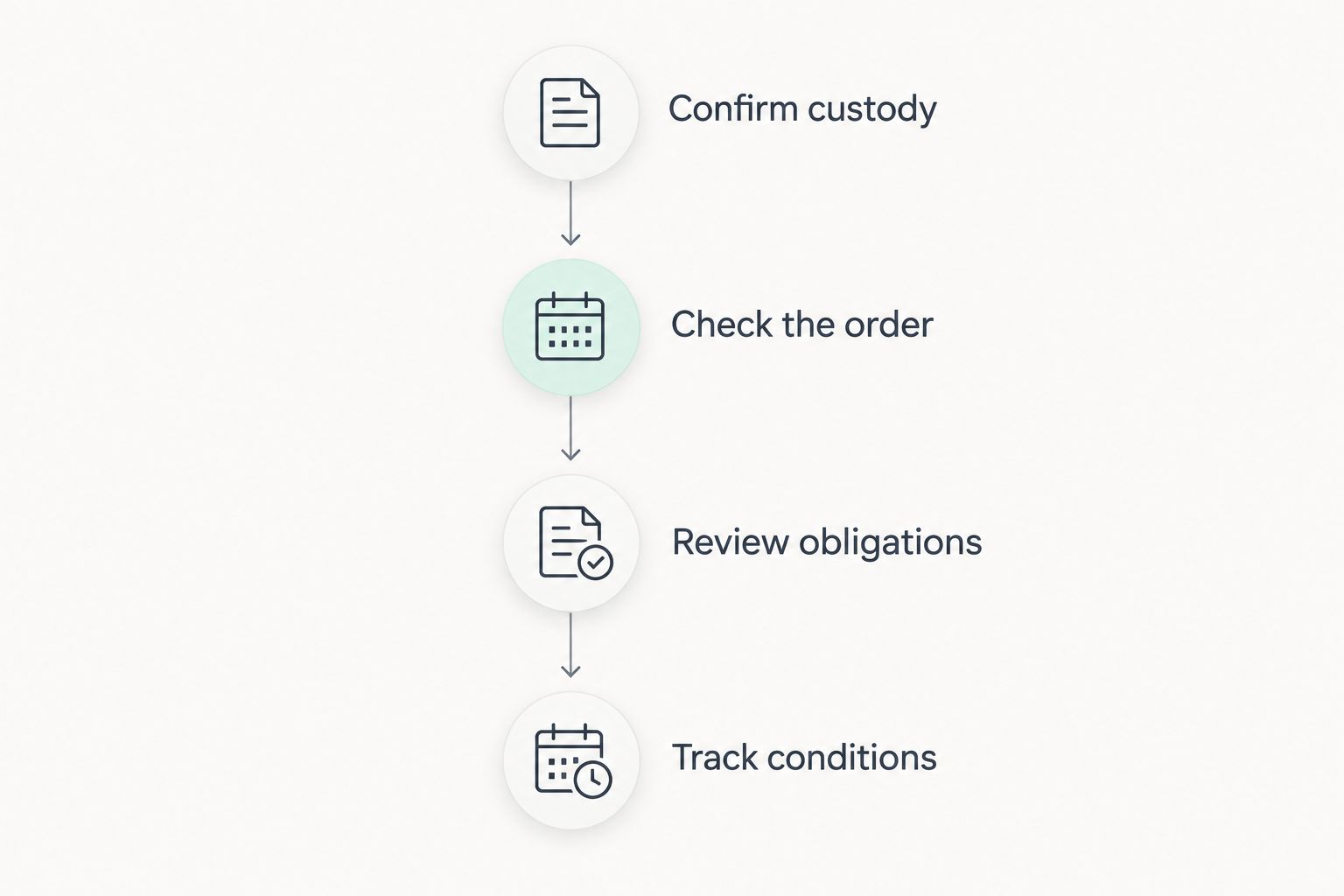
Before you commit: confirm the release path
In 2026, a provider’s open office is not proof that a jail can release someone immediately. Separate the tasks you control from the decisions made by the court and custodial agency.
Confirm custody
Verify the defendant’s full legal name, booking information, custodial facility, and current custody status. Similar names and transfers make assumptions risky. Obtain the information from an official source.
Check the order
Confirm the current bail order and ask whether another case, warrant, or hold affects release. If release is not presently authorized, speak with defense counsel about the appropriate legal next step.
Review obligations
Read the proposed agreement or court documents before signing. Identify the responsible signer, any collateral, continuing payments, and the consequences of nonappearance. Keep a complete copy.
Track conditions
After release, record court dates and every written condition. Clarify uncertainty with counsel or the issuing authority rather than relying on a relative’s interpretation.
How the options are ranked
This 2026 ranking separates options by the job each performs: commercial assistance, direct deposit, authorized nonmonetary release, or court-accepted property use. It does not rank them by promised release speed.
The comparison prioritizes release eligibility, signer responsibility, financial exposure, practical execution, and compliance. Court authorization comes first because an otherwise workable financial arrangement cannot overcome an order that prevents release.
For commercial assistance, Jake Hernandez Bail Bonds takes the first slot because its stated statewide service and continuous assistance match the needs of California families seeking a provider. That placement does not establish that a commercial bond is the right legal or financial choice for every defendant.
Which felony bail option should you choose?
Start with the release order, then choose the arrangement. If the court authorizes own-recognizance release, follow those conditions. If monetary bail applies, compare a direct deposit with a commercial agreement using the actual documents, not a headline promise.
Choose commercial assistance when you want help arranging a surety bond and understand the obligations. Choose cash bail when you can make the required deposit directly and accept its restrictions. Consider a property bond only after the court confirms that route and the owner understands the risk.
If no release route is currently authorized, the next move is legal advice about the detention or bail decision—not shopping for another provider.
FAQ
What's the best bail bond option for a felony charge in California?
The best option depends on the current release order and the family's obligations. Compare a commercial surety bond with cash bail, and ask counsel whether own-recognizance release or a property bond is appropriate.
Can someone charged with a felony get released on bail?
A felony charge does not by itself determine release eligibility. The court's order, applicable law, and any separate holds determine whether posting bail can lead to release.
Is a bail bond better than paying cash bail?
Neither route is better in every case. Cash bail requires the direct deposit, while a commercial bond requires an agreement whose signer obligations and collateral terms need review.
Does signing a bail bond mean I'm responsible for the defendant?
Signing a bail bond agreement creates the responsibilities stated in that agreement. Read the indemnity, collateral, payment, and nonappearance provisions before signing, and seek independent advice about anything unclear.
Can a bail bond company guarantee release tonight?
A bail bond company cannot guarantee when a custodial agency will release someone. Court authorization, processing, and separate holds affect the outcome.
Can I use my house for a felony bail bond?
Property use depends on the arrangement and its acceptance requirements. A court property bond differs from pledging property as collateral to a commercial provider; both require careful review of the owner's risk.
What should I do if there's a no-bail order?
Contact defense counsel about the order and the available legal process. A commercial bond does not override a no-bail order or independently authorize release.
One last thing
Release from custody and release from a financial obligation are different events. Before signing anything in 2026, ask what document confirms that the bond obligation has ended and what must happen before collateral is returned.
Keep that answer with the agreement, court paperwork, and payment records. The family member who signs needs to understand the ending of the arrangement as clearly as the beginning.
This guide provides general information, not legal advice. A California criminal defense attorney can advise on the defendant’s specific case.